Understanding the Nuances of Deadly Winter Threats: Snow Squalls vs. Blizzards
When winter unleashes its fury, it often brings with it a host of dangerous weather phenomena. Among the most sudden and severe are snow squalls and blizzards. While both are characterized by intense snowfall, strong winds, and drastically reduced visibility – conditions often encompassed by a general Us Heavy Snow Warning – understanding their distinct characteristics is paramount for safety and preparedness. These aren't just different names for heavy snow; they represent fundamentally different threats that demand specific responses. Ignoring these distinctions can have life-threatening consequences, from multi-car pile-ups to prolonged isolation.What Exactly is a Snow Squall? The Sudden, Violent Blast
Imagine driving on a clear winter day, then within minutes, being plunged into a whiteout with near-zero visibility. This terrifying scenario perfectly describes a snow squall. The National Weather Service (NWS) defines snow squalls as a wintertime weather hazard that strikes suddenly, lasts less than an hour, and can cause localized, extreme impacts. They are characterized by heavy snow, often leading to rapid accumulations (though sometimes less than an inch), combined with gusty winds that can quickly produce whiteout conditions and icy roads. A prime example of this danger unfolded in southwestern Utah, where over 160,000 people were given mere minutes of warning before a "life-threatening" snow squall descended. NWS meteorologists issued alerts as a strong cold front moved through, bringing not only heavy snow but also wind gusts as high as 75 mph in places like Cedar City. Such extreme conditions can cause visibility to plummet so rapidly that motorists have little to no time to react, leading to devastating multi-vehicle accidents. The NWS explicitly warns that "The sudden white-out conditions combined with falling temperatures produce icy roads in just a few minutes." What makes squalls particularly insidious is their ability to occur even when no large-scale winter storm is in progress, catching people completely off guard. This makes any Us Heavy Snow Warning in an area prone to such sudden events particularly critical, as it hints at the potential for these rapid-onset dangers. Unlike a prolonged storm, a snow squall is a fleeting but fierce event. Its localized nature means one area might experience a sudden whiteout while a few miles away, conditions remain relatively calm. However, as the Utah situation demonstrated, these intense fronts can continue to move eastward, bringing repeated squall conditions to new areas. The danger isn't just the snow itself, but the immediate, severe drop in visibility, the flash-freeze of road surfaces, and the powerful wind gusts that make driving incredibly hazardous for a brief, critical period.The Blizzard: A Sustained Winter Siege
In stark contrast to the fleeting nature of a snow squall, a blizzard is a prolonged and relentless winter assault. The NWS classifies a blizzard as a storm with sustained wind gusts of at least 35 mph (56 km/h) and visibility of less than a quarter-mile (0.4 km) for a minimum of three hours. This extended duration is the key differentiator from a snow squall and is what elevates a blizzard to a truly widespread and devastating event. When a blizzard warning is issued, it signifies not just heavy snowfall but a multi-hour or even multi-day siege of extreme conditions. These storms typically dump significant snow accumulations, measured in feet rather than inches, across broad regions. Such conditions can lead to: * **Widespread Travel Shutdowns:** Roads become impassable, airports close, and public transportation grinds to a halt. * **Prolonged Whiteouts:** The sustained winds continuously pick up falling and fallen snow, creating blizzard conditions that make it impossible to see. * **Massive Snow Drifts:** Winds pile snow into enormous drifts, burying vehicles and even homes. * **Power Outages:** Heavy snow and strong winds put immense strain on power lines, leading to widespread and often prolonged outages. * **Stranded Individuals:** People can become trapped in their homes, vehicles, or workplaces, facing the risk of hypothermia and lack of essential supplies. Recent blizzard warnings in parts of Montana, South Dakota, and Minnesota highlight the destructive potential of these large-scale winter storms. In the UK, areas like Yorkshire and northern Lincolnshire have faced similar warnings of heavy snow, with possible blizzards on higher ground, where accumulations could exceed 10cm (4in). This demonstrates that the threat of blizzards and prolonged heavy snow events is a global concern, requiring robust preparedness strategies under any Us Heavy Snow Warning or equivalent international alert. The sheer scale and duration of blizzards require different levels of preparation and response compared to the more immediate, localized threat of a squall.Key Differences and Overlapping Dangers
While both snow squalls and blizzards involve intense snow, strong winds, and whiteout conditions, their fundamental difference lies in their **duration and scale**, which dictates the nature of the danger and the required response.Here’s a breakdown of their key distinctions:
- Duration:
- Snow Squall: Typically lasts less than an hour, often just 10-30 minutes.
- Blizzard: Sustained for at least three hours, often much longer, sometimes days.
- Scale:
- Snow Squall: Localized, affecting specific areas as a cold front moves through.
- Blizzard: Widespread, impacting entire regions and states.
- Warning Time:
- Snow Squall: Very short lead time, often minutes; emphasis on immediate reaction.
- Blizzard: Longer lead time, hours to days; allows for significant preparation.
- Typical Accumulation:
- Snow Squall: Minor, often an inch or less, but the danger comes from suddenness.
- Blizzard: Significant, often many inches to feet, contributing to the prolonged hazards.
Staying Safe When a US Heavy Snow Warning Strikes
Before the Storm/Event:
- Stay Informed: Monitor NWS alerts, local weather forecasts, and emergency broadcasts. Pay close attention to the *type* of warning being issued. Regions like Utah & Yorkshire Face Life-Threatening Winter Weather Hazards serve as stark reminders of the diverse challenges winter weather presents.
- Prepare Emergency Kits:
- Home Kit: Include non-perishable food, water, blankets, flashlights, batteries, a first-aid kit, and any necessary medications.
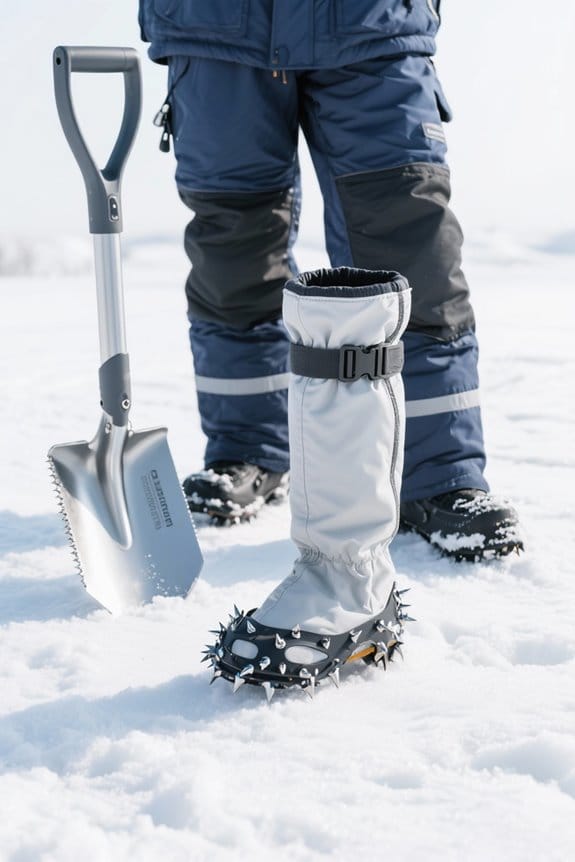
- Car Kit: Essential if you must travel. Pack blankets, warm clothing, a shovel, sand/cat litter for traction, a cell phone charger, jumper cables, and non-perishable snacks.
- Charge Devices: Ensure cell phones, laptops, and power banks are fully charged in case of power outages.
- Adjust Travel Plans: If a blizzard warning or even a severe Us Heavy Snow Warning is in effect, delay all non-essential travel. For snow squalls, be aware of the forecast for sudden changes.
During the Event:
- Heed Warnings: If advised to stay home, do so. Do not underestimate the dangers of reduced visibility and icy roads.
- Driving Safety (If Unavoidable):
- Slow Down: Reduce your speed significantly.
- Increase Following Distance: Allow much more space between your vehicle and others.
- Use Headlights: Even in daylight, use your low beams to improve your visibility to others.
- Watch for Sudden Changes: Be hyper-aware of rapidly deteriorating conditions, especially for snow squalls.
- Pull Over Safely: If caught in a whiteout, activate your hazard lights and pull off the road completely, if possible. Wait for conditions to improve. Do *not* stop in a travel lane.
- Stay Warm: Dress in layers, avoid prolonged exposure to cold, and recognize symptoms of hypothermia and frostbite.
- Be Mindful of Power Outages: Have alternative heating sources (safely used) and remember that without power, traffic signals may not work.
To understand the broader context of these warnings, including those recently issued across the US & UK Under Heavy Snow, Blizzard & Squall Warnings, staying informed is paramount. Your proactive steps can make all the difference in navigating these deadly winter threats safely.
Ultimately, whether facing the sudden impact of a snow squall or the prolonged siege of a blizzard, the underlying message is the same: winter weather, particularly under a Us Heavy Snow Warning, demands respect and thorough preparation. Understanding the distinctions between these events allows for a more targeted and effective response, helping to protect lives and property when severe winter weather inevitably strikes.