US & UK Under Heavy Snow, Blizzard & Squall Warnings: A Deep Dive into Deadly Winter Weather
As winter's grip tightens across the Northern Hemisphere, both the United States and the United Kingdom are bracing for, and in some areas already experiencing, severe and dangerous weather conditions. From widespread heavy snow and potential blizzards in the UK to life-threatening snow squalls and major winter storms sweeping the US, authorities are issuing urgent warnings. This article provides a comprehensive overview of the unfolding scenarios, highlighting the critical differences between these formidable weather events and offering essential preparedness advice for residents in affected regions.
The immediate concern for many revolves around the sheer volume of snow, coupled with high winds and rapidly changing conditions. For the US, a significant focus is on the Us Heavy Snow Warning, which spans multiple states, bringing with it not just heavy snowfall but also the unique and perilous threat of snow squalls and widespread blizzard conditions. Meanwhile, the UK faces its own challenges, with parts of England preparing for heavy snow and potential flooding risks.
Heavy Snow Blankets the UK: Yorkshire and Northern Lincolnshire on Alert
Across parts of the United Kingdom, residents are facing a significant disruption due to incoming heavy snow. Specifically, regions like Yorkshire and northern Lincolnshire have been placed under a severe weather alert. Forecasters warn of substantial snowfall, with higher elevations potentially receiving upwards of 10cm (4in) and other areas expecting between 5-10cm (2-4in). This accumulation, while perhaps not as dramatic as some US figures, is substantial enough to cause significant travel disruption and hazardous conditions.
The situation is further complicated by the prospect of blizzards on higher ground, where strong winds can dramatically reduce visibility and create dangerous drifts. Paul Hudson, a BBC weather forecaster, emphasized the widespread nature of this event, stating that "There is going to be quite a lot of snow coming from the west and it is expected to reach the east coast by the early evening." This rapid progression means a swift onset of hazardous conditions for many.
Adding to the concern, a yellow warning for heavy rain has been issued for the subsequent day. The Met Office has highlighted that this rainfall, when combined with melting snow, carries a significant risk of localised flooding. This underscores the multi-faceted nature of winter weather threats, where one event can quickly lead to another, compounding the danger. Residents are advised to monitor local forecasts closely, prepare for possible power outages, and consider postponing non-essential travel during peak snowfall and subsequent flooding risks.
The Sudden Threat of Snow Squalls in the US: A Life-Threatening Phenomenon
On the other side of the Atlantic, the United States is contending with a more varied and, in some instances, even more sudden form of winter peril: snow squalls. Southwestern Utah recently experienced a harrowing example, where more than 160,000 people were given only minutes to react to a "life-threatening" snow squall warning issued by NWS meteorologists.
What makes snow squalls so uniquely dangerous? The National Weather Service (NWS) defines them as a wintertime weather hazard that can strike suddenly and last for less than an hour. However, within this short timeframe, they bring intense heavy snow and strong winds that cause visibility to plummet rapidly, often to white-out conditions. This sudden loss of visibility, combined with falling temperatures, can transform roads into icy hazards in mere minutes. "The sudden white-out conditions combined with falling temperatures produce icy roads in just a few minutes," explains an NWS webpage. This phenomenon is a well-documented cause of deadly traffic accidents, even with minor snow accumulations, due to the shock and speed with which conditions deteriorate.
The Utah incident saw NWS Salt Lake City office meteorologists issue initial warnings shortly after 9:40 a.m. local time, followed by further alerts eastward. NWS meteorologist Brittany Whitlam noted that a "pretty strong" cold front was responsible, accompanied by wind gusts up to 75 mph recorded in Cedar City. This intensity highlights the severe and immediate danger posed by these fleeting but fierce storms. Affected roadways included critical stretches of Interstate 15 and Utah Routes 21 and 56, where motorists were urged to delay travel or exercise extreme caution.
It's crucial to understand the distinction between a snow squall and a blizzard. While both feature intense snow and strong winds creating white-out conditions, their duration is the key differentiator. Snow squalls are typically short-lived, lasting less than an hour, whereas blizzards are classified by sustained wind gusts of at least 35 mph and visibility less than a quarter-mile for a minimum of three hours. For more on these distinctions, see our article on Snow Squalls vs. Blizzards: Understanding Deadly Winter Threats.
Broader US Winter Storm Emergency: Blizzards and Widespread Accumulation
Beyond the localized intensity of snow squalls, the Western U.S. is facing a series of relentless winter storms, with some areas expecting as much as 8 feet of snow at the highest elevations this week. This broader pattern contributes significantly to the overall Us Heavy Snow Warning impacting millions.
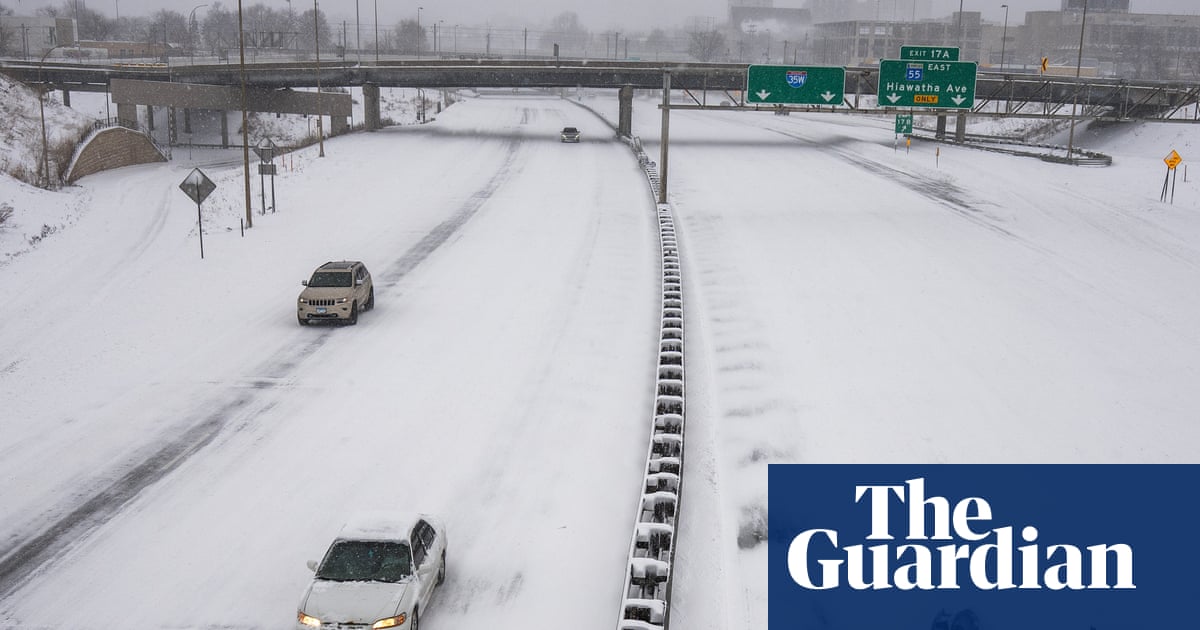
Adding to the complexity, blizzard warnings were in effect for parts of Montana, South Dakota, and Minnesota. These areas are experiencing the prolonged white-out conditions, heavy snowfall, and sustained high winds characteristic of true blizzards. Such storms bring widespread disruption, making travel exceptionally treacherous or impossible, often leading to road closures, flight cancellations, and significant delays for commerce and daily life. Emergency alerts have been triggered across these states, urging residents to stay indoors and avoid all but essential travel. The sheer scale and duration of these events present a different, but equally grave, set of challenges compared to the rapid onset of a snow squall.
The combination of heavy snowfall, intense wind, and the threat of both squalls and blizzards illustrates a widespread and serious winter emergency across large swaths of the United States. From the sudden, localized dangers in Utah to the extended, widespread impact across the Plains and Rockies, vigilance and preparedness are paramount. For a comparative look at the challenges faced by both nations, read our analysis on Utah & Yorkshire Face Life-Threatening Winter Weather Hazards.
Essential Winter Weather Preparedness & Safety Tips
Given the severe nature of these warnings in both the US and UK, proactive preparedness is not just recommended, it's essential for safety and mitigating disruption. Here are some critical tips:
- Stay Informed: Continuously monitor local weather forecasts from reliable sources like the Met Office (UK) or NWS (US). Pay attention to specific warnings for your area.
- Delay Travel: If a snow squall, blizzard, or heavy snow warning is in effect, the safest action is to delay travel. If you must travel, ensure your vehicle is winterized, fully fueled, and equipped with an emergency kit including blankets, food, water, a shovel, flashlight, and a fully charged phone.
- For Drivers During a Squall/Blizzard: If caught in rapidly deteriorating conditions, pull over safely to the side of the road, turn on your hazard lights, and stay in your vehicle. Wait for conditions to improve. Do NOT stop in the middle of a roadway.
- Prepare Your Home: Ensure your heating system is working efficiently. Seal drafts and insulate pipes to prevent freezing. Have an emergency kit with non-perishable food, water, blankets, flashlights, and a battery-powered radio. Charge all electronic devices.
- Beware of Carbon Monoxide: If using alternative heating sources or generators, ensure they are properly ventilated to avoid carbon monoxide poisoning. Never use a generator indoors or in an attached garage.
- Clear Snow Safely: If shoveling, take frequent breaks and avoid overexertion. Be mindful of potential ice underneath fresh snow.
- Protect Against Flooding: If heavy rain and snowmelt are anticipated, clear drains and gutters around your property. Consider sandbags if your property is prone to flooding.
Conclusion
The simultaneous threats of heavy snow, blizzards, and sudden snow squalls in both the US and UK underscore the powerful and often unpredictable nature of winter weather. From the localized flooding risks in Yorkshire to the life-threatening white-outs in Utah and widespread blizzard conditions across the American Midwest, the need for vigilance and preparedness has rarely been more critical. By staying informed, heeding official warnings, and taking proactive safety measures, individuals can significantly reduce their risk and help ensure community safety during these severe winter events. Stay warm, stay safe, and stay prepared.