Utah & Yorkshire Face Life-Threatening Winter Weather Hazards
As winter grips two geographically distant but climatically challenged regions, residents in parts of Utah, USA, and Yorkshire, UK, are bracing for or already experiencing severe and potentially life-threatening weather conditions. From sudden, blinding snow squalls that can turn roads into deathtraps in moments to prolonged blizzards and the ominous threat of widespread flooding, both areas are under intense pressure from nature's harshest elements. For many across the western U.S., a prominent Us Heavy Snow Warning has become a recurring bulletin, signaling treacherous conditions and demanding immediate preparedness.
Utah's Sudden Squalls: A Life-Threatening Dash Against Time
In the southwestern reaches of Utah, winter has proven its ability to strike with startling speed and ferocity. Recently, over 160,000 residents were given mere minutes to react as National Weather Service (NWS) meteorologists issued "life-threatening" snow squall warnings. These aren't your typical winter snowfalls; snow squalls are sudden, intense bursts of heavy snow accompanied by powerful winds that can reduce visibility to near zero in an instant. This dramatic shift creates whiteout conditions that are incredibly perilous for motorists, often leading to tragic traffic accidents.
The NWS Salt Lake City office acted swiftly, issuing initial warnings shortly after 9:40 a.m. local time, with follow-up alerts spreading eastward. Meteorologists like Brittany Whitlam underscored the strength of a cold front sweeping through the area, noting a staggering 75 mph wind gust recorded in Cedar City associated with the squall. Such events aren't necessarily part of a larger, prolonged winter storm, making their sudden onset even more dangerous. As the NWS website elaborates, "The sudden white-out conditions combined with falling temperatures produce icy roads in just a few minutes." While accumulations might be minor, the combination of gusty winds, rapid temperature drops, and plummeting visibility creates extreme hazards. Locations like Cedar City, Enoch, Parowan, and major arteries including Interstate 15 and Utah Route 56, were specifically impacted, with authorities urging people to delay travel until the immediate threat passed. These events are a stark reminder of the unpredictable nature of winter in the American West, where a Us Heavy Snow Warning can escalate from general advisories to urgent, life-saving alerts in an instant.
Yorkshire Braces for Blizzard Conditions and Flooding Risks
Across the Atlantic, northern England, specifically Yorkshire and northern Lincolnshire, has been under its own severe weather alert from the Met Office. Residents have been warned of heavy snow, with higher grounds potentially experiencing blizzard conditions. Forecasts indicated significant snowfall, with over 10cm (4in) expected on elevated terrain and 5-10cm (2-4in) in lower areas. BBC weather forecaster Paul Hudson highlighted the incoming snow from the west, anticipating its arrival on the east coast by early evening.
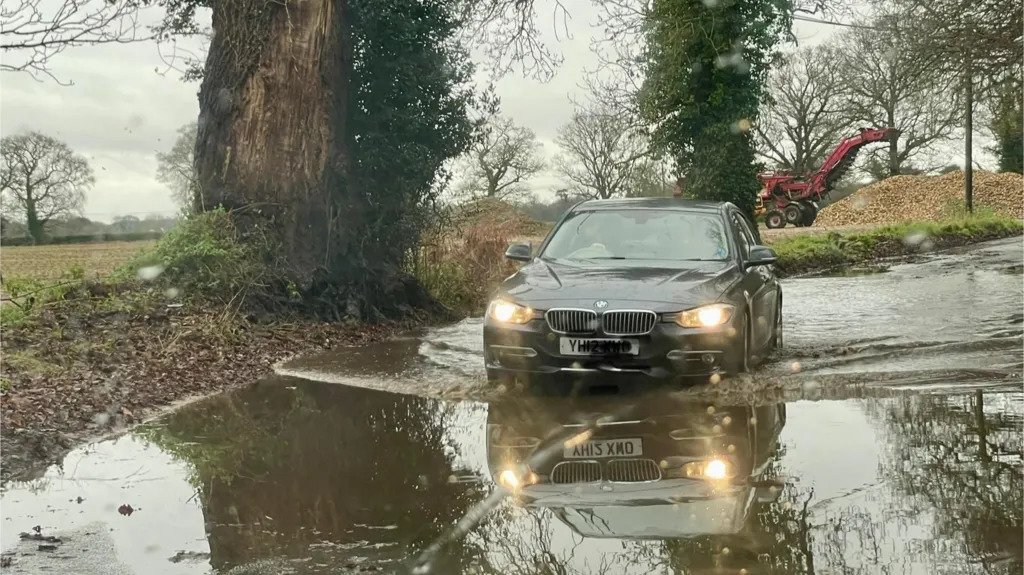
Adding another layer of concern, a yellow warning for heavy rain was issued for the following Sunday. This combination presents a significant risk: the heavy rain, coupled with the melting snow, could lead to widespread localized flooding. The intricate network of rivers and valleys in Yorkshire makes it particularly susceptible to such events, posing threats to homes, businesses, and infrastructure. Unlike the brief intensity of Utah's snow squalls, Yorkshire's threat involves both immediate heavy snowfall and the sustained danger of a thaw-related deluge, demanding comprehensive preparedness from its communities.
Understanding the Winter Menace: Squalls vs. Blizzards
While both Utah and Yorkshire grapple with intense winter weather, understanding the specific types of warnings is crucial for effective response. The terms "snow squall" and "blizzard" are often used interchangeably, but they denote distinct meteorological phenomena, each with unique dangers. Both are characterized by heavy snow and strong winds that lead to whiteout conditions, but their primary differentiator is duration.
- Snow Squalls: As experienced in Utah, snow squalls are typically short-lived, often lasting less than an hour. They strike suddenly, delivering intense bursts of snow and wind that cause rapid reductions in visibility and immediate icing of roadways. Their brief but brutal nature makes them incredibly dangerous for motorists caught unprepared, as drivers have little time to react to the sudden loss of sight and traction. They can occur even when no large-scale winter storm is active, making them particularly insidious. For a deeper dive, read our article: Snow Squalls vs. Blizzards: Understanding Deadly Winter Threats.
- Blizzards: In contrast, blizzards are classified as storms that maintain sustained wind gusts of at least 35 mph (56 km/h) and visibility of less than a quarter-mile (400 meters) for a minimum of three hours. These prolonged conditions not only make travel impossible but also pose significant risks of hypothermia and frostbite for anyone exposed. While parts of Montana, South Dakota, and Minnesota were under blizzard warnings, the potential for blizzard conditions on Yorkshire's higher grounds indicates a threat of extended, severe weather impacting the region.
Both types of events underscore the importance of heeding official warnings, whether it's a rapidly issued NWS alert for a snow squall or a Met Office warning for blizzard conditions and impending floods.
Navigating the Danger: Essential Winter Weather Safety Tips
Given the dual threats of heavy snow, sudden whiteouts, strong winds, and potential flooding, proactive safety measures are paramount. Here's how individuals and communities can prepare and respond:
For Motorists:
- Avoid Unnecessary Travel: If a Us Heavy Snow Warning or similar alert is issued, consider delaying your journey. Sudden snow squalls can develop with little notice, making even short trips hazardous.
- Prepare Your Vehicle: Ensure your car is winter-ready with good tires, adequate fuel, and a full emergency kit. This kit should include blankets, extra warm clothing, a flashlight, food, water, a first-aid kit, and a fully charged mobile phone.
- Slow Down and Increase Distance: If you must drive, reduce your speed significantly and maintain ample space between your vehicle and others. Black ice and sudden whiteouts are common hazards.
- Stay Informed: Monitor local weather forecasts and traffic conditions through official channels (NWS, Met Office, local news radio) before and during your travel.
For Home and Community:
- Prepare for Power Outages: Have alternative heating sources if safe to use, fully charge electronic devices, and have a supply of non-perishable food and bottled water.
- Stay Warm: Dress in layers, seal drafts around windows and doors, and keep an eye on vulnerable family members or neighbors, especially the elderly.
- Prevent Frozen Pipes: Insulate exposed pipes and allow faucets to drip slightly during extreme cold to prevent freezing and bursting.
- Manage Snow and Ice: Clear snow and ice from walkways and driveways to prevent slips and falls. Be aware of snow accumulation on roofs, which can become dangerous.
- Flood Preparedness: If in a flood-prone area, review emergency plans, secure valuables, and be ready to evacuate if advised. Keep storm drains clear of debris and snow to facilitate runoff.
The lessons from both Utah and Yorkshire highlight the global challenge of severe winter weather. Heeding warnings, making smart decisions, and preparing thoroughly are crucial. For more comprehensive information on staying safe during these challenging times, refer to resources like our detailed guide: US & UK Under Heavy Snow, Blizzard & Squall Warnings.
Conclusion
From the sudden, life-threatening snow squalls of Utah to the heavy snow and potential blizzard-induced flooding in Yorkshire, winter's formidable power is on full display across continents. These events underscore the critical importance of understanding specific weather hazards and taking proactive steps to ensure safety. Whether facing a rapidly unfolding Us Heavy Snow Warning or a multi-faceted threat of snow and subsequent flooding, vigilance, preparedness, and adherence to official advisories remain the strongest defenses against nature's winter fury. As these regions navigate their respective challenges, the shared experience serves as a powerful reminder for everyone to respect the power of winter and prioritize safety above all else.